
Interesting review here of a book written by a guy who spent a year reading “the five-foot shelf,” or Harvard’s classic edition of the great books.
Author: Huenemann
Brain reading
My brother alerted me to a “60-minutes” segment that aired last night about reading content from brains. (It’s the second story, just after the first commercial break.) The first part of the report is sort of interesting. A scientist has been brain imaging a bunch of people, asking them to think about certain objects, and recording the results. Then he takes a new person, asks her to think about certain objects (without telling the computer), and lets the computer guess what they were thinking (in a limited form; you ask the computer “Was it a barn or a screwdriver?”). The computer was right 100%. That’s pretty impressive, and scary when you think about possible consequences.
Those consequences emerge in the second part of the story, when the possibility is raised (through another line of research) of analyzing a suspect’s brain to determine if they had special knowledge of where/how a particular crime was committed. It’s there that the 5th-amendment right against self-incrimination collides with the state’s right to gather evidence (such as DNA samples).
Cool chalk drawing
Is this cool or what? It’s a chalk drawing by Justin Beever:

Leiter lecture
If the post below, about Sotomayor, whets your appetite for understanding how judges make decisions, you may want to watch this lecture by Brian Leiter. He provides a useful introduction to a couple of philosophies of judging — Ronald Dworkin’s and legal realism. It’s very informative.
Know thyself
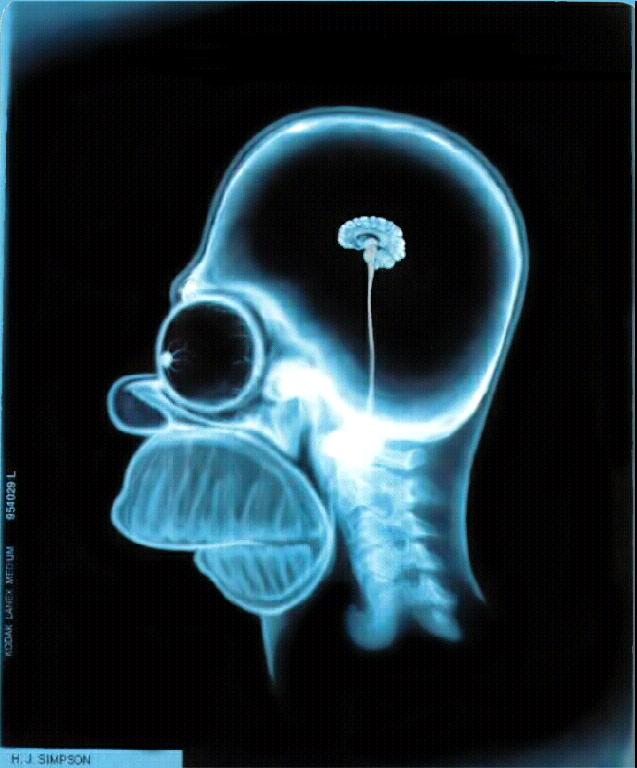
No comment.
 USUPhilosophy