is reviewed in the Economist here. It has always seemed to me that people are eager to have a physicist to idolize, like Einstein, and so have tried to idolize Hawking. But the popular writings of his that I’ve read strike me as unimaginative and clumsy, and the paeans sung to his genius are a little strained. His latest book sounds like more of the same. Here’s an amusing observation by the reviewer:
The authors rather fancy themselves as philosophers, though they would presumably balk at the description, since they confidently assert on their first page that “philosophy is dead.” It is, allegedly, now the exclusive right of scientists to answer the three fundamental why-questions with which the authors purport to deal in their book. Why is there something rather than nothing? Why do we exist? And why this particular set of laws and not some other?
It is hard to evaluate their case against recent philosophy, because the only subsequent mention of it, after the announcement of its death, is, rather oddly, an approving reference to a philosopher’s analysis of the concept of a law of nature, which, they say, “is a more subtle question than one may at first think.” There are actually rather a lot of questions that are more subtle than the authors think. It soon becomes evident that Professor Hawking and Mr Mlodinow regard a philosophical problem as something you knock off over a quick cup of tea after you have run out of Sudoku puzzles.
The book also makes what has been taken to be an audacious claim, that physics has no room for God. I gather it’s been seen as a big deal because up until now Hawking has played to the crowds by dropping pious remarks on occasion. And now he’s decided to back the other populist horse, and join ranks with Hitchens & Co. One thing for sure: the great physicist is not so hot when it comes to anything outside of physics.

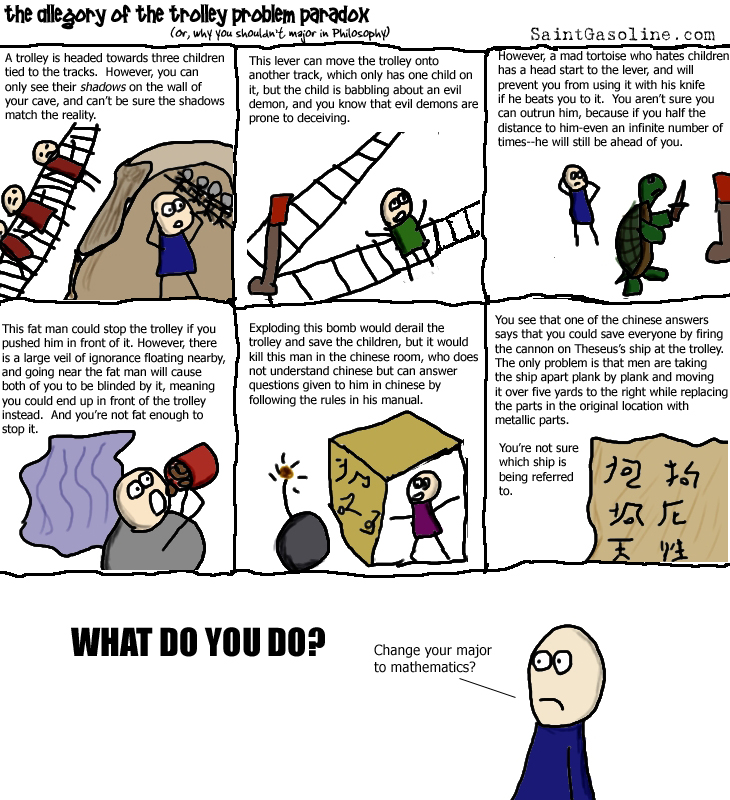
 USUPhilosophy